

By Chanchal Kale
Ayurveda is one of the most renowned traditional systems of medicine that has survived and flourished throughout history. The term "Ayurveda" derives from Sanskrit, meaning "The Science of Life." It consists of two. This ancient system of treatment relies on medicine derived from herbal plants that are abundant in India The knowledge of Ayurveda is believed to have a divine origin. It was imparted to the
saints and sages of India, who acquired this wisdom through deep meditation, viewing health as a crucial aspect of spiritual life. 800 BCE to 1000 CE, are considered the Golden Age of Ayurveda marked by the significant advancements in Ayurvedic medical practice and thought, along with the production of important medical treatises.
In today's age of commercialization, Ayurveda has undergone a significant transformation, reflecting a long history of standardization and professionalization. As such, this century is regarded as the "Era of Renaissance" for the Ayurvedic system.
Commercialization of Ayurveda
Since ancient times and up until the first half of the 19th century, several households, particularly from the Vaidya family, produced and distributed Ayurvedic medicines. In the mid-19th century, the demand for Ayurvedic medicine significantly increased due to widespread epidemics like cholera and smallpox. Ayurvedic medicines became the only option for villagers since the colonial government was unable to meet the healthcare needs of the large rural population.
In the 1880s, some Vaidya families took bold initiatives to transition from household production to petty/cottage production, allowing them to compete with the allopathic medical industry. By the end of the 20th century, the turnover of the Ayurvedic industry exceeded government funding for Ayurvedic and Unani education, treatment, and research.
After India gained independence, efforts to revive Ayurveda began with educational reforms across the country and lobbying with central and state governments to shift policy attention toward qualified Ayurvedic practitioners. In the 1980s and 1990s, rising healthcare costs prompted many Americans to seek medical treatments in other countries. This shift allowed India and other nations to emerge as offshore destinations, especially for dental and cosmetic treatments. With further infrastructural development and governmental support, India became a key destination for Ayurvedic Medical Tourism. Among all the Indian states, Kerala has taken the lead in this sector.
Medical tourism in Kerala developed without much intentional collective effort. However, some sectors recognized the opportunity and worked collectively to position Kerala as a hub for Ayurvedic treatments. Today, Ayurveda is synonymous with Medical Tourism in Kerala.
Factors Making Kerala the Ideal Place for Ayurvedic Tourism
Kerala can rightly be called the only place with an unbroken tradition of Ayurveda. This 5,000-year-old system of healing has thrived over the centuries and remains a primary option for addressing a wide range of ailments today. The Vaidyas (traditional practitioners) – especially the legendary Ashtavaidyas, known for their miraculous healing abilities – have played a crucial role in strengthening Ayurvedic tradition in the state.
Kerala’s deep-rooted Sanskrit heritage has also been vital in enabling practitioners to interpret the original Ayurvedic texts. This significantly contributed to the region’s prominence in this natural system of medicine. The Ashtangahridayam, a user- friendly treatise on Ayurveda, is widely used in Kerala, with its verses being familiar even to the general public.
The tropical forests of Kerala are home to over 900 different Ayurvedic herbs and medicinal plants. Agasthyakoodam, a peak in the southern part of the state, nurtures some of the rarest varieties, many of which are endemic to the region. Additionally, Kerala has the largest number of Ayurveda colleges in India, including the country's first Ayurvedic college, established in 1889 in Thiruvananthapuram. All these factors have contributed to the development of Ayurveda as a thriving tourism industry, positioning Kerala as the Mecca of Ayurvedic tourism and attracting visitors from all over the world.
Ayurvedic Health Tourism Industry of Kerala
As alternative lifestyles and stressful schedules take centre stage in cosmopolitan areas, Ayurveda has emerged as a natural and rejuvenating option. A study conducted by Annamalai University in Tamil Nadu found that international patients primarily visit Kerala seeking medical services and treatments. These treatments are classified into three categories: prevention, cure, and rejuvenation. The data indicates that the majority of tourists seek rejuvenation treatments. Some popular Ayurvedic rejuvenation programs include Rejuvenation Therapy (Rasayana Chikitsa), Body Immunization and Longevity Treatment (Kayakalpa Chikitsa), Body Sudation (Swedakarma), Body Slimming, Beauty Care, and Overall Fitness
(Panchakarma Treatment).
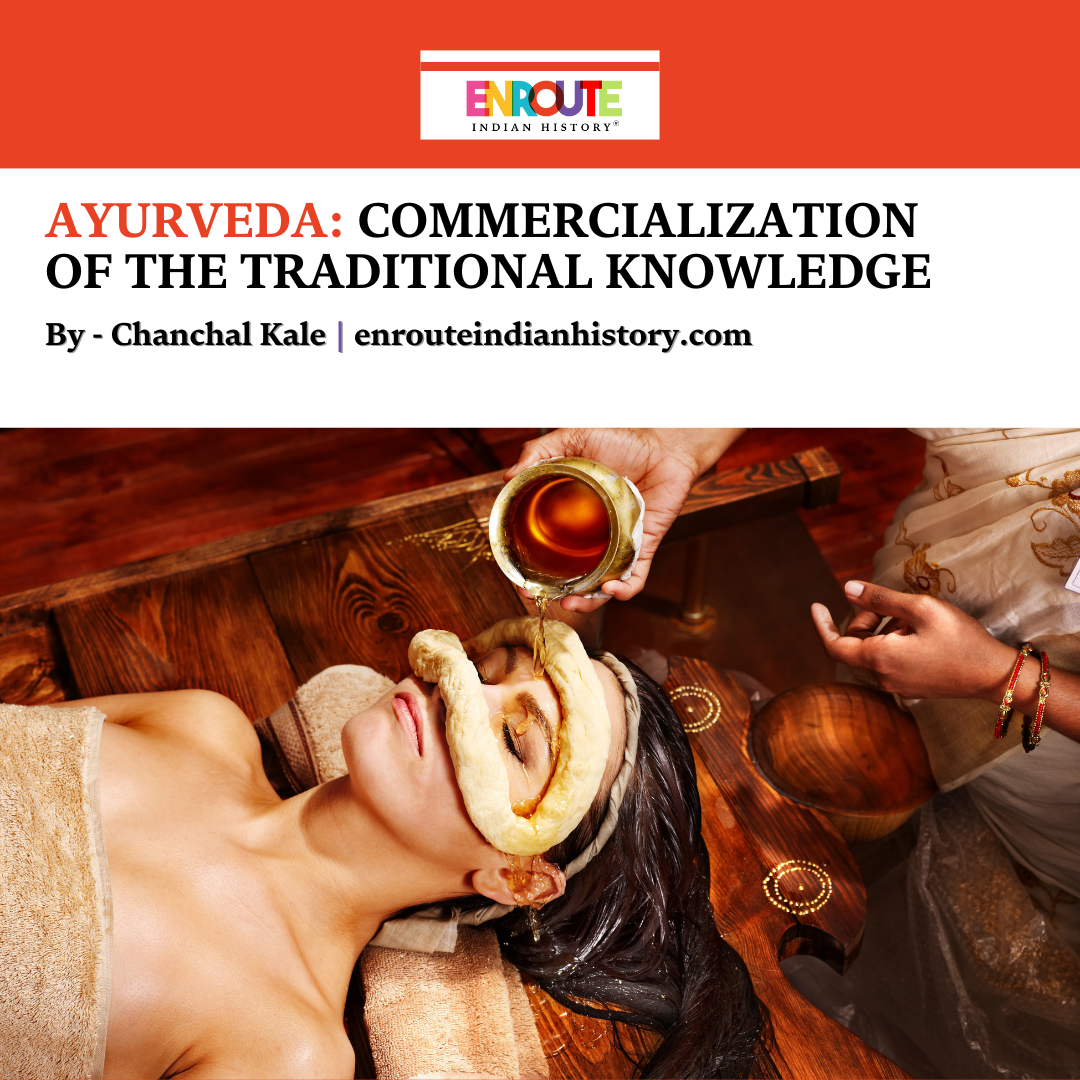
In today’s fast-paced lifestyle, people turn to these treatments for stress relief and beauty enhancements. Numerous hotels, spas, and Ayurvedic centres throughout the state offer rejuvenation packages including massages, yoga and beauty treatments . In the contemporary times these Ayurvedic hotels and spas form the backbone of the health tourism industry in Kerala. However, the importance of hotels in Ayurvedic retreats was recently recognized.
In the 1950s, Kerala's State Hospitality Department focused solely on VVIP arrangements. By the 1960s, as tourist traffic increased, the government saw the potential of the hotel sector and established a separate Department of Tourism. The state recognized the market for health tourism, particularly Ayurveda, known for its positive health effects.
About 10 to 12 years ago, Kerala began promoting Ayurveda more broadly. The effort started in 1994 when the Kerala Tourism Development Corporation (KTDC) set up Ayurvedic health centres in key properties, like Hotel Samudra in Kovalam. "KTDC has partnered with top Ayurveda providers to ensure quality and authority in treatments," says Raj Mohan, KTDC's Marketing Manager, noting the positive response.
The development of Ayurvedic Spas and Hotels go hand in hand with mass production of Ayurvedic medicines. The leading companies like Dabur, Zandu, Himalaya, Arya Vaidya Sala, Kottakkal have achieved a significant growth in the last few years. This transformation from small scale household production to large scale industrial production of Ayurvedic and Unani health and beauty products have provided a boost to the health tourism industry especially in Kerala.
Problems
Commercialization has played a significant role in spreading Ayurvedic knowledge and establishing its credibility across the globe. However, this same trend poses a threat to its authenticity. To maximize profits with minimal investment, there has been a rise in misleading and fraudulent Ayurvedic treatments. To address these fraudulent practices, the government of India must establish an authority for uniform grading and accreditation of Ayurvedic medical centres, which will help gain the trust and loyalty of tourists.
Another major issue is that only preservative and rejuvenating treatments are being highlighted, overshadowing Ayurveda's potential to address modern health problems such as heart attacks, chronic diseases, paralysis, and psychological disorders. Additionally, the industry has faced setbacks due to hospitals’ reluctance to collaborate with hotels and spas. Less than half of the hospitals have taken the initiative to help patients combine medical travel with tourism. It was found that only 33% of hospitals were actively marketing their services, while merely 31% were participating in any collective marketing efforts for medical tourism.
Government Initiatives
The Government of India established the Department of Indian Systems of Medicine and Homeopathy (ISM&H) in 1995. In 2003, the department was renamed as the Department of Ayurveda, Yoga, Naturopathy, Unani, Siddha, and Homeopathy (AYUSH). This department focuses on research and education within these medical systems, aiming to create professional Ayurvedic experts who can enhance the quality of medical treatments available to tourists.
In the past three years, the state government has invested Rs 1,000 crore to develop AYUSH infrastructure in Kerala. This includes the establishment of an International Institute of Ayurveda Research and a new Ayurveda medical college in the Idukki district.
The Chief Minister inaugurated a two-day Global Ayurveda Summit and Kerala Healthcare Tourism, setting the agenda by highlighting the state government's policy initiatives to foster a holistic healthcare environment. The summit is organized by the Confederation of Indian Industry with support from the Ministry of AYUSH and both Central and State governments.
Conclusion
Over the past two centuries, Ayurveda has evolved significantly due to the organized production of medicine, the establishment of educational institutions, and the professionalization of clinical practice. Data suggests that the Ayurvedic industry does have great potential. However, this expansion sometimes risks compromising the authentic knowledge of traditional medicine. Development is essential but it must be in congruence to our traditional heritage.
Bibliography
1. M.S. Harilal, “Commercialising Traditional Medicine': Ayurvedic Manufacturing in Kerala”, Economic and Political Weekly, , Apr. 18 – 24, 2009, Vol. 44, No. 16 (Apr. 18 – 24, 2009), pp. 44-51. https://www.jstor.org/stable/40279155
2. P. G. Variar, “The Ayurvedic Heritage of Kerala”, Ancient Science of Life, Vol No. V No. 1 July 1985, Pages 54 – 64.
https://www.researchgate.net/publication/224898737_The_ayurvedic_heritage_of_kerala
3. Yogini S. Jaiswal, Leonard L. Williams, “A glimpse of Ayurveda e The forgotten history and principles of Indian traditional medicine”, Journal of
Traditional and Complementary Medicine, http://www.elsevier.com/locate/jtcme
4. Joseph M. Cherukara and Dr. James Manalel, “Medical Tourism in Kerala—Challenges and Scope”, :
https://www.researchgate.net/publication/242157236
5. Priya Chandran and Dr.Johnson V, “AYURVEDIC HEALTH TOURISM IN KERALA”, EPRA International Journal of Multidisciplinary Research (IJMR), Volume: 7 | Issue: 1 |January 2021|| Journal DOI: 10.36713/epra2013,
https://eprajournals.com/IJMR/article/4342/download
6. N. Venugopal and M. Somasundaram, “A STUDY ON AYURVEDIC MEDICAL TOURISM IN KERALA”, Vidyabharati International Interdisciplinary Research Journal 12(2) ISSN 2319-4979 June 2021 559 www.viirj.org 559-566
7. Dr. V .K. BHAVANI, “THE IMPORTANCE OF AYURVEDA IN KERALA TOURISM”, 2021 IJCRT | Volume 9, Issue 11 November 2021, www.ijcrt.org
8. https://www.britannica.com/science/Ayurveda
9. https://www.scribd.com/document/149126618/Medical-Tourism