
By Arnav Kala
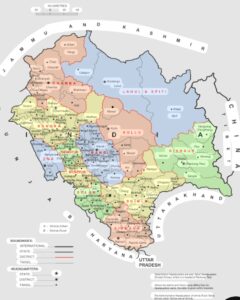
The monsoon season, stretching from June to September in Himachal Pradesh, brings with it both abundance and challenge. While the rainfall rejuvenates forests and pastures, it also creates conditions of high humidity that threaten food spoilage. In response, several communities across the state have developed intricate culinary traditions that are attuned to their mountainous ecology. Among these communities, the Gaddis, Kinnauris and Lahaulis exhibit deeply rooted practices that combine foraging, fermentation and preservation to adapt to the monsoon’s constraints. These methods serve not only as mechanisms for food security and nutritional balance but also as key aspects of cultural resilience and ecological intelligence.
Fermentation and Seasonal Foods
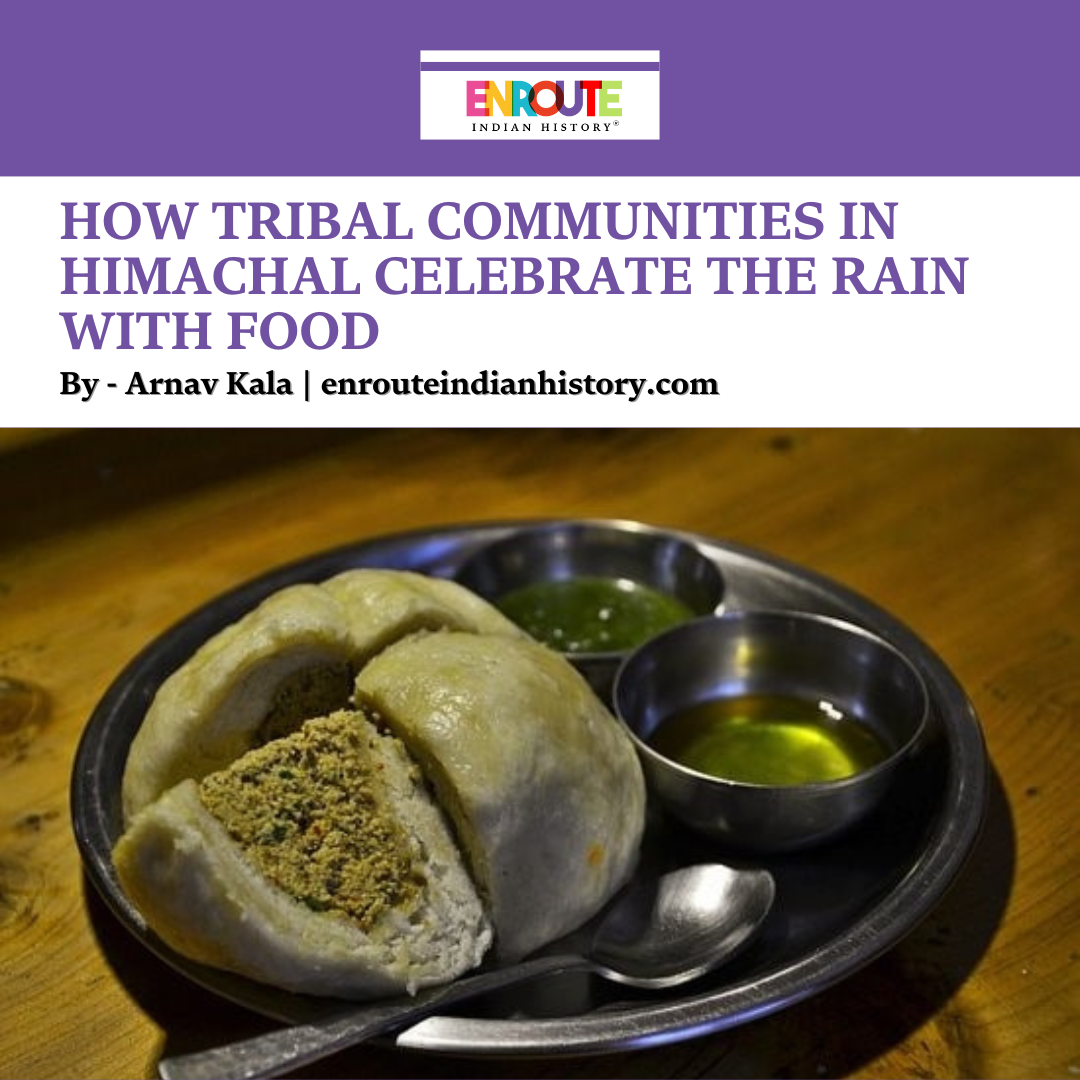
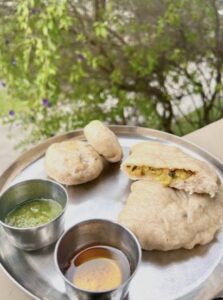
One of the primary culinary responses to the monsoon is fermentation. Foods such as Siddu, a steamed wheat bread, are allowed to ferment for several hours, enhancing digestibility and extending shelf-life. Though Siddu is consumed throughout the year, its preparation during the monsoon is especially valued for its warmth-providing properties and ease of cooking without extensive oil use. Siddu is often paired with ghee or walnut chutney and consumed hot, offering a hearty meal that helps the body stay warm during chilly monsoon days in the hills.
In addition to Siddu, traditional beverages like chhaas (buttermilk) and lassi are often left to ferment naturally. In higher altitude tribal homes, these dairy products are fermented and stored in clay pots to prevent spoilage. The cool temperatures of these regions, coupled with the high moisture content in the air, make earthenware ideal for maintaining stable storage conditions. Fermented dairy plays an important role in sustaining gut health and is regarded as a probiotic resource by local healers.
Moreover, grains are soaked and partially fermented before being used in flatbreads and porridges. This softens the texture, reduces cooking time, and makes nutrients more bioavailable. Fermentation in these communities is not just a necessity but a deeply cultural process often accompanied by rituals and community gatherings.
Foraging and Wild Edibles
During the monsoon, the forests and alpine pastures of Himachal burst with an array of wild edibles. A 2020 ethnobotanical study from the Janjehli Valley in Mandi district recorded 57 wild edible species used by local communities, including fruits, mushrooms, tubers, and leafy greens. These ingredients are foraged fresh and consumed in simple yet nutritious meals, often boiled or lightly sautéed with minimal spices. The reliance on wild foods increases during the monsoon, as cultivated crops are still maturing and the rains stimulate forest growth.
Among the Gaddi tribe, a semi-nomadic pastoral community, there is a strong tradition of mushroom foraging. The Gaddis possess precise knowledge of edible versus toxic mushroom species, passed down orally through generations. Commonly collected mushrooms include Morchella (morel), which are sun-dried and stored for the winter. Drying is often done using bamboo trays placed on rooftops or suspended near wood-fired stoves. This practice not only preserves food but also reduces the risk of microbial contamination associated with humid monsoon conditions.
The Lahaulis and Kinnauris collect a variety of wild greens including ferns, amaranth, and chenopods. These greens are typically boiled and combined with local pulses, or sometimes pickled in brine with mustard seeds and turmeric to extend their shelf life. The foraging routes, seasonal calendars, and preparation methods vary across valleys and elevations, reflecting micro-ecological adaptations that are highly localised and sophisticated.
Food as Medicine
Tribal culinary systems in Himachal Pradesh often blur the boundary between food and medicine, especially during the monsoon when digestive issues, respiratory ailments, and infections are more common. Wild greens such as Chenopodium, Amaranthus, and Portulaca are not only nutritionally rich but are also known to aid digestion and boost immunity. Many of these greens are high in vitamins A and C, calcium, iron, and dietary fiber, making them effective natural supplements.
Roots like Angelica glauca and Valeriana jatamansi are harvested for both culinary and medicinal use. While they are sparingly added to broths and teas, they are widely regarded for their antibacterial and anti-inflammatory properties. Spices such as ginger, garlic, and turmeric are used liberally, not only for flavor but for their warming and antimicrobial effects. According to Negi and Maikhuri (2017), fermented foods further enhance immunity by enriching the gut microbiome, which is crucial during a season prone to infections.
These food-medicine practices are typically gendered, with women acting as primary knowledge holders and transmitters. Recipes for immunity-boosting broths and seasonal pickles are often passed down matrilineally. Many tribal families prepare a mixture of dried herbs, roasted grains, and roots known as ‘churan’ or ‘pachak’ to prevent indigestion, which is common during the monsoon. These traditional formulations are highly personalized and vary between households.
Socio-Ecological Context
The high-altitude geography and forested terrain of Himachal Pradesh create a unique socio-ecological context that shapes monsoon food practices. Roads often become inaccessible during heavy rains, and landslides isolate villages from markets. As a result, self-sufficiency in food production and storage becomes crucial. Seasonal food calendars dictate when certain plants are foraged, fermented, or dried. The use of stone granaries, bamboo baskets, and earthen containers demonstrates an environmental intelligence tailored to climatic needs.
In tribal communities, knowledge transmission happens through experience rather than written record. Children accompany elders on foraging trips, learning to identify plants and mushrooms by touch, taste, and smell. Songs and stories often encode ecological knowledge which serve both as memory and cultural artifacts. Seasonal festivals such as Pori and Phagli incorporate food rituals that celebrate the onset of monsoon, invoking both gratitude and caution. These rituals reinforce the cultural value of seasonal eating and preservation.
Economic Aspect
Monsoon-specific food traditions are not only ecological responses but also contribute to tribal livelihoods. Wild mushrooms, berries, and preserved condiments are sold in weekly markets or bartered among neighboring villages. In particular, dried morels (Morchella) command high prices in urban gourmet markets, offering significant income for Gaddi foragers. Similarly, pickles and dried leafy vegetables are often traded by Kinnauri women in local fairs.
However, commercialisation also brings challenges. Increased market demand can lead to overharvesting, threatening the sustainability of fragile ecosystems. Moreover, traditional knowledge holders often do not receive fair compensation for their expertise. Government and NGO-led initiatives promoting sustainable wild harvesting and value addition have begun to emerge but require greater community participation and institutional support.
Challenges and Pressures
Tribal culinary traditions in Himachal are increasingly threatened by climate change, modernisation, and socio-economic shifts. Erratic rainfall patterns have affected the availability of wild edibles and disrupted the timing of foraging. Rising temperatures have also altered the altitudinal range of certain plants, making them harder to access. These environmental changes, coupled with the outmigration of youth, pose risks to knowledge continuity.
There is also a cultural challenge. Younger generations, exposed to urban food cultures, often view traditional foods as backward or labor-intensive. The convenience of packaged foods is gradually replacing time-intensive practices like fermentation and sun-drying. This cultural erosion is exacerbated by inadequate documentation and lack of integration of traditional knowledge into school curriculum or community programs.
Additionally, the tools and materials traditionally used for monsoon food preservation such as bamboo baskets, earthen pots, and stone grinders are being replaced by plastic and aluminum, which are less effective in preserving food in humid conditions. Loss of these material cultures further undermines the holistic culinary systems that sustained these communities for centuries.
Conclusion
Monsoon-specific cooking traditions among Himachali tribal communities are not just culinary adaptations but deeply integrated systems of ecological knowledge, health practice, and cultural identity. They represent time-tested strategies for food security, health resilience, and environmental stewardship. These practices offer valuable insights into sustainable living, particularly relevant in an era of climate instability and nutritional transition.
Preserving these traditions requires a multifaceted approach in the form of thorough documentation, community-based education, revival of traditional tools, and policy support for small-scale, seasonal food enterprises. Efforts must also include the empowerment of women as custodians of culinary knowledge and the active involvement of youth through experiential learning. Only then can the rich culinary heritage of Himachal’s tribal communities continue to thrive, rain or shine.
References
1. Negi, D. S., & Maikhuri, R. K. (2017). Traditional fermented foods of the Central Himalaya: Indigenous practices and cultural significance. Indian Journal of Traditional Knowledge, 16(1), 146–152.
2. Rawat, M. S., & Uniyal, P. (2014). Wild edible plants used by tribes of Western Himalaya during monsoon season. Journal of Ethnobotany and Applied Research, 2(3), 23–31.
3. Singh, R., & Sharma, R. (2015). Food traditions and cultural identity in tribal regions of Himachal Pradesh. Anthropological Survey of India.