
Regional culture through cinema: How cinema can bring lesser known societies to limelight
- October 6, 2025
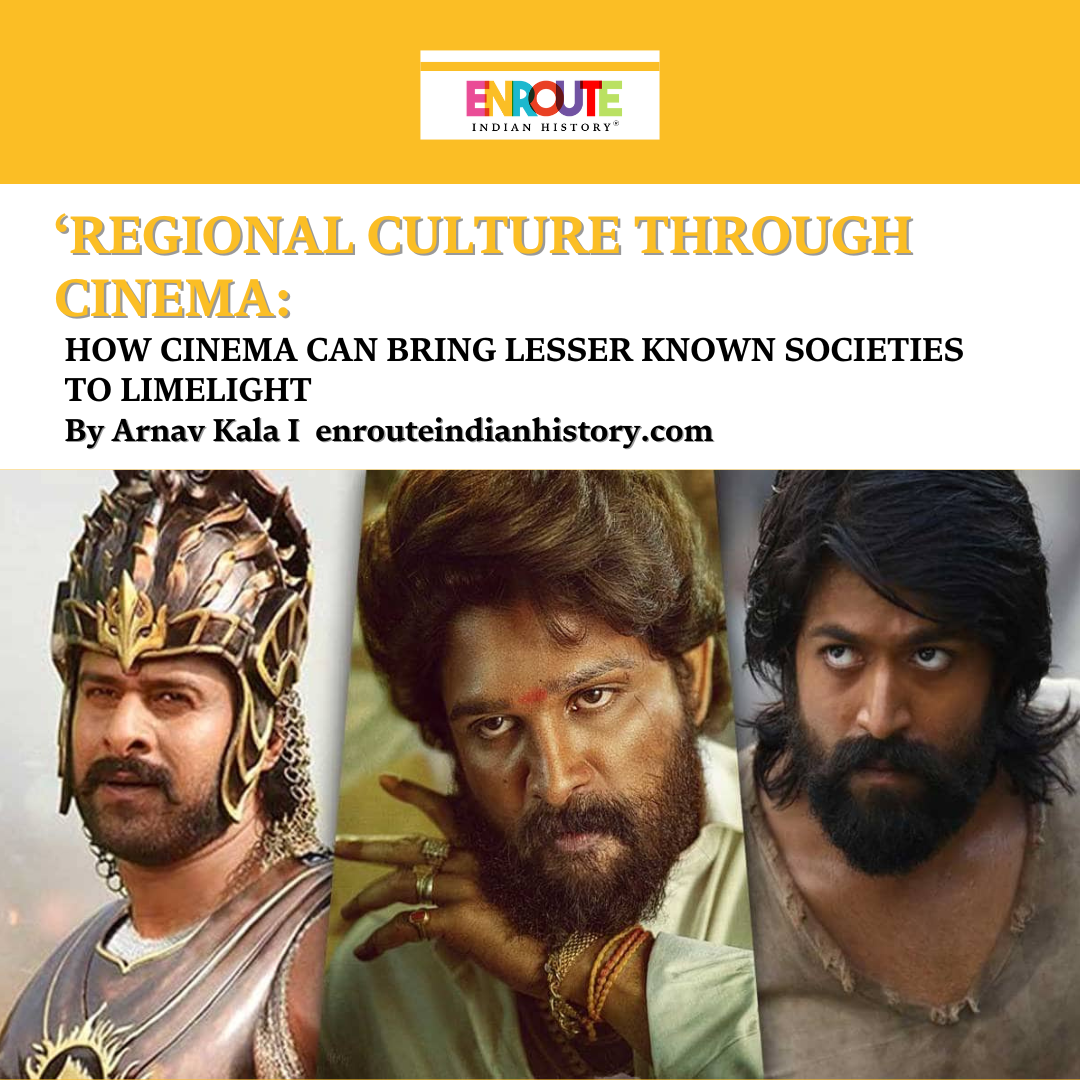
By Arnav Kala
India is a country of diversity, be it in culture and traditions, people and even in the languages they speak. Many of these cultures and people’s have their own representative cinema reflecting upon their traditions and cultural norms. Besides Bollywood, the Tollywood and southern cinema film industry are greatly appreciated and have garnered international recognition too. However, there are also smaller film industries in India which are less popular which are often not known to the mainstream and as a result remain on the sidelines in a similar manner to other folk art. Although these may have received less recognition, such regional industries have produced some great works of art and play a crucial role in promoting the local dialects and languages as well as representing the way of life, conditions and problems faced by the local people.
Numafung – Limbu society, Sikkim
Numafung is a 2001 Nepali-language film directed by Nabin Subba which portrays the traditions, struggles, and resilience of the Limbu community native to Eastern Nepal and Sikkim. The title of the film translates to a “Beautiful Flower” in the Limbu language, reflecting the delicate yet powerful storytelling that unfolds through the life of its protagonist, Numa.
Numa in the film is a young Limbu woman who has to face and deal with the complexities of marriage, loss, and societal expectations as is typical for girls her age in traditional rural Limbu society. Initially, she is married to Ojahang, a man who genuinely cares for her, but tragedy strikes when he dies unexpectedly. Numa, who was carrying their child, faced immense grief, and later suffered a miscarriage which added to her and their family’s grief. Her second marriage was arranged against her will, which exposed the darker side of traditional customs, as she now had to face mistreatment from her new husband, Girihang. Eventually, she defied societal norms and eloped with Rikute, a man from her village who promised to marry and take care of her. Although she may have freed herself from her husband’s oppression, her family later had to face the wrath of the upset groom and his family, as her father was forced to sell all of his land and move elsewhere to repay and appease them.
Numafung is significant in regional cinema because it authentically represents the Limbu community who are often overlooked in mainstream Nepali and Indian films. The movie’s cinematography beautifully captures the landscapes of Panchthar in Nepal, as well as Sikkim and Assam which are regions with a strong Limbu presence. The film highlights customs such as Sunauli Rupauli, a practice where a groom’s financial status is assessed based on the wealth he offers for marriage, somewhat opposite to the dowry custom popular in Northern India, yet similar in spirit. This tradition, depicted through Numa’s forced marriage, raises questions about gender roles and autonomy within Limbu society.
Numafung serves as a cultural mirror for the Limbu community, reflecting their traditions, struggles, and evolving perspectives on marriage and identity. The film’s nuanced storytelling allows viewers to empathise with Numa’s plight while understanding the richness of Limbu customs. It also sheds light on the resilience, social status and treatment of Limbu women, who, despite societal constraints, seek agency over their lives.
Numafung remains a landmark in regional cinema, offering a rare and intimate glimpse into Limbu society. Its impact extends beyond entertainment, fostering discussions on tradition, gender, and cultural preservation. Through its storytelling, narrative and authentic representation, the film continues to resonate with audiences, especially those from the Limbu community in Sikkim and beyond.
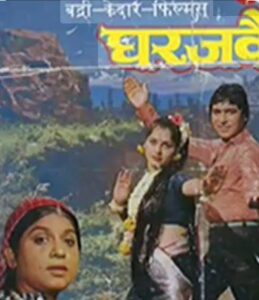
Gharjawain – Garhwali society, Uttarakhand
Released in 1986, the film is one of the most culturally significant works in Uttarakhand’s regional cinema, offering a glimpse into the customs and values that define Garhwali society.
The film revolves around the life of a young man who becomes a gharjawain—a son-in-law who lives with his wife’s family, a practice that was once common in Garhwali society. The film explores themes of familial duty, social status, and the evolving role of tradition in modern life through the young man’s experiences and his relationship with his family. The protagonist faces challenges as he finds his way in his new life, highlighting the tension between tradition and personal aspirations. As his mother has to work hard relentlessly to pay back old debts, he has to leave his home in search of a job against his mother’s and family’s wishes in order to assist them financially, while also balancing societal expectations of marriage and tradition. It also explores the darker side of traditions and rural life, as debt traps, family bondages, violent behaviour and grudges often tear apart the lives of many, with women often facing the full brunt of it.
The film authentically depicts Garhwali and Himalayan folk culture. The cinematography beautifully captures the serene landscapes of Uttarakhand, immersing viewers in the region’s natural beauty. Traditional Garhwali music and folk songs play a significant role in the narrative, adding emotional depth and cultural richness to the storytelling.
A significant portrayal in the film is that of the tradition of young men becoming son-in-laws or Gharjawains, as it reflects the historical practice of men moving into their wives’ homes—a reversal of the more common patriarchal norm. This practice, though less prevalent today, was once a way to ensure familial support and stability. It was more common in traditional Khasiya households and reflects remnants of ancient Himalayan culture and practices. Gharjawain sheds light on the emotional and social complexities of this arrangement, making it a valuable piece of regional storytelling. As one of the earliest Garhwali films, Gharjawain played a crucial role in establishing Uttarakhand’s regional cinema. It paved the way for future films that would explore the region’s traditions, struggles, and evolving identity.
For the Garhwali community, Gharjawain acts as a cultural time capsule, preserving and representing the customs and values of an era when traditional marriage practices were more prevalent. The film fosters discussions on changing societal norms, the importance of familial ties, and the challenges of adapting tradition to modern life. It also highlights the important role of women in Garhwali society, showcasing their resilience and the expectations placed upon them.
Migchu – Bhoti society, Ladakh
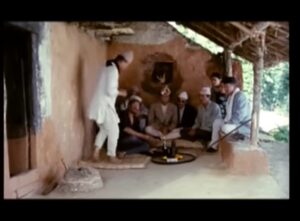
Migchu is a classic Ladakhi-language film that authentically captures the essence of Ladakhi everyday life and problems. As one of the most significant films in Ladakhi regional cinema, it offers a rare glimpse into the customs and values that define the region.
The film revolves around the life of a young Ladakhi man, who is shown to have lost his mother early in his life and lives with his father and uncle well into his young adulthood. His father remarries and tries to reduce the burden of his son’s workload so that he may pursue higher education like his cousin, and tries to make ends meet to be able to pay his fees. He remains hopeful for a bright future for him, whereas his brother seems to be perceived in the opposite manner by his stepmother, as he sleeps late into the day and struggles to do household chores and help out the family. However, the brother later confides that he has a terminal illness to the son who arranges treatment for him and reveals this to the family. This changes the son’s perception as he now aims to help society like the brother wished to do as he was a moral man instead of migrating in search for better paying jobs. He wishes to see him happy for the rest of his life, and helps him marry Niyangze, his childhood sweetheart whom he was reluctant to approach for marriage as he was not well educated and feared it would mean a worse future for her than she deserved. However his apprehensions prove wrong, as she agrees and the film ends on a positive note with a small celebratory ceremony for their wedding.
The film’s portrayal of Ladakhi customs, including traditional marriage practices, communal gatherings, and the significance of local festivals, makes it a valuable piece of regional storytelling. Migchu sheds light on the emotional and social complexities of life in Ladakh, making it a cherished film among Ladakhi audiences. The film remains a beloved classic, cherished for its authentic representation and heartfelt storytelling.
Conclusion
Numafung, Gharjawain, and Migchu stand as cinematic milestones, each serving as a cultural mirror for the Limbu, Garhwali, and Ladakhi communities, respectively. Through their storytelling, music, and depiction of traditional customs, these films display the essence of smaller regional cinema and contribute to a broader understanding of diverse cultural landscapes.
Numafung is a groundbreaking film for Limbu representation, authentically capturing the customs, struggles, and resilience of its people. By portraying marriage customs, familial expectations, and gender dynamics, the film is not only an authentic portrayal of Limbu traditions but also sparks discussions about evolving societal norms. Its impact extends beyond its narrative, representing and spreading awareness regarding an often-overlooked ethnic group in Nepal and India, particularly in regions like Sikkim.
Gharjawain, as an early Garhwali folk film, serves as a cinematic time capsule, preserving Uttarakhand’s marriage customs and rural traditions. The film’s portrayal of the gharjawain practice offers a rare insight into the social structure of Garhwal, reflecting its deep familial bonds and communal values. Through its use of traditional folk music and imagery, Gharjawain explores the cultural fabric of Garhwali society, reminding audiences of the importance of heritage even as modernisation continues to reshape our world.
Similarly, Migchu stands as a powerful representation of the aspirations of Ladakhi youth as well as society, capturing the tensions between tradition and modern aspirations. By showcasing Ladakhi customs, familial ties, shift towards modernisation and their day to day life problems, the film reinforces the need to balance preservation with progress. Its impact extends beyond entertainment and fosters a collective pride in Ladakhi identity.
Together, these films highlight the significance of regional cinema as a tool for cultural preservation, social reflection, and identity formation. They ensure that the stories of Limbu, Garhwali, and Ladakhi communities are not lost amidst the dominance of mainstream narratives. By providing a platform for local voices, Numafung, Gharjawain, and Migchu stand as enduring testaments to the richness of South Asian diversity, proving that cinema is not merely about entertainment but a powerful force in sustaining heritage.